
A facade is the "face" of every construction project. The word
itself originates from the Latin facies, meaning face. Like any
face, a building’s exterior can be attractive, improved upon, or
completely transformed. In parallel with the growth of the
construction industry, facades have evolved significantly in both
design and production methods. One of the primary tasks of an
architect is facade design; the goal is to capture the attention of
the observer or potential buyer. A well-designed facade hints at an
interesting interior while suggesting high-quality technical
standards.
Buildings are constantly exposed to diverse weather conditions and
environmental influences, including extreme temperatures, rain,
snow, and wind. A high-quality facade must be resilient enough to
withstand natural disasters—such as hail or gale-force winds—as well
as fire.
We evaluate a facade based on several key characteristics: the type
of insulation, the quality of the materials, and the method of
installation. The choice of a facade is ultimately dictated by
available resources, the building type, and specific aesthetic
requirements. One of its most fundamental functions is providing the
best possible thermal insulation. Rising heating costs, climate
change, and environmental protection concerns have led to the
adoption of strict laws and regulations regarding thermal insulation
systems for both residential and commercial buildings.
Facades made of glass, aluminum, stainless steel, stone, and
porcelain stoneware have a long tradition and are now standard
solutions globally. Over the last decade, a large number of modern
facades have been realized in Belgrade, representing exceptional
accomplishments even by international standards. Today, various
types of facades are in use, with the primary classification based
on the system type—whether it utilizes heavy or light cladding
elements. Facades are also categorized by their materials, which
include EPS (expanded polystyrene), wood, glass, and aluminum, as
well as heavy cladding elements like stone, brick, and ceramic
tiles.
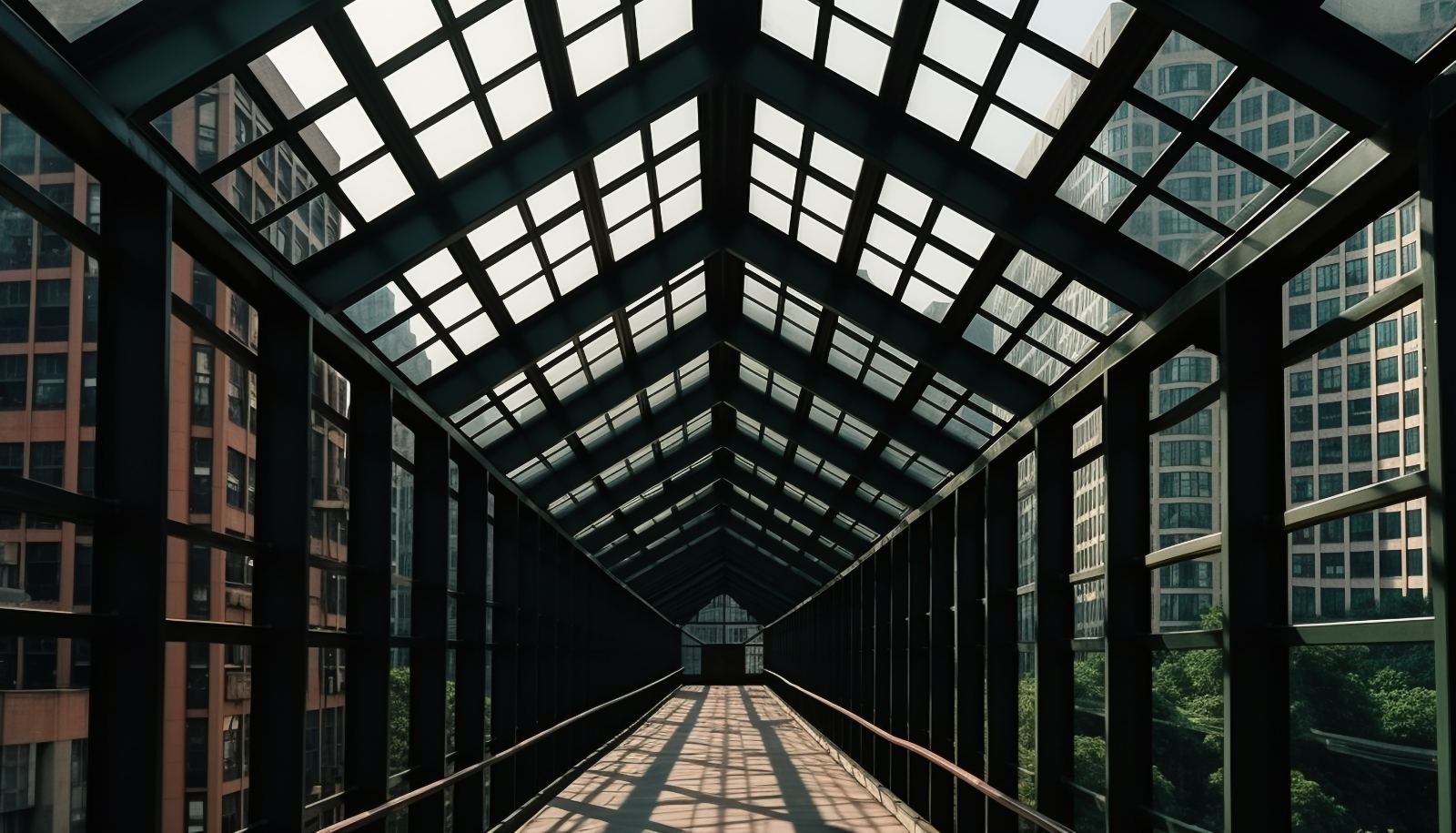
Aluminum glass facades belong to the category of lightweight
cladding and are divided into two basic types. The first type is the
structural glass facade, which creates a uniform, seamless glass
surface and is almost exclusively reserved for high-rise buildings.
The second type is the semi-structural aluminum facade. In these
systems, glass still dominates the aesthetic, but the aluminum
supporting structure—namely the verticals and horizontals—is more
visible. For these facade types, the use of thermal insulating glass
is standard, often featuring reflective or tinted (Parsol) effects.
When the glass is exposed to direct sunlight, we recommend
ClimaGuard Solar thermo-insulating glass filled with argon gas,
which is highly resistant to heat absorption. Additionally,
incorporating a thermal break within the aluminum profiles
significantly increases the building's thermal insulation. While
this solution involves a higher initial investment due to complex
connections and material costs, it realizes considerable savings
over the building’s lifecycle by drastically reducing the energy
required for heating and cooling. Finally, the classic glass facade
is formed from horizontal and vertical aluminum mullions and
transoms that are fully visible on the exterior. In these systems,
windows typically open along the vertical axis or via a bottom-hung
horizontal mechanism.
The primary advantages are superior sealing, classic opening
mechanisms, and simple maintenance. A disadvantage of this solution
is the external visual difference between movable and fixed parts;
however, this detail can be effectively utilized when designing the
facade aesthetic. Current architectural trends for glass facades
favor minimizing the visibility of aluminum profiles while
maximizing glass surfaces. Consequently, the supporting structure of
the curtain wall is typically hidden behind the glass. Due to
concerns regarding the long-term durability of structural sealants
(adhesives), structural facades are becoming less frequent than
semi-structural systems. In semi-structural facades, the aluminum
glass holders are only minimally visible on the exterior (typically
about 2.5 cm plus the joint). In both facade types, window opening
is performed exclusively via top-hung horizontal hinges that open
outward. These facades are a hallmark of large commercial buildings
and shopping centers and are synonymous with modern urban zones.
Curtain wall is the standard term for a facade composed of
lightweight elements that are suspended from and hang in front of a
building's supporting structure. Like a curtain, this wall
represents the outer envelope of a building and must meet specific
requirements for the protection of the internal space.
. protection from atmospheric inpact
. thermal protection (a pleasant stay throughout the year)
. sound protection
. regulating the inpact of the sun's rays (illumination and
sunshine)
. sealing
. fire resistence
You can find out more about facades in the section
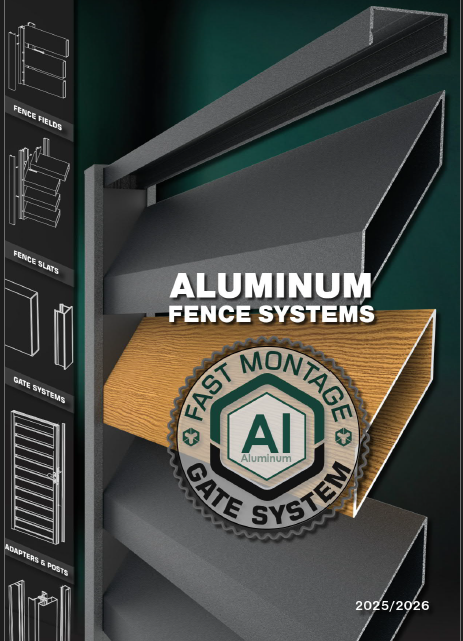
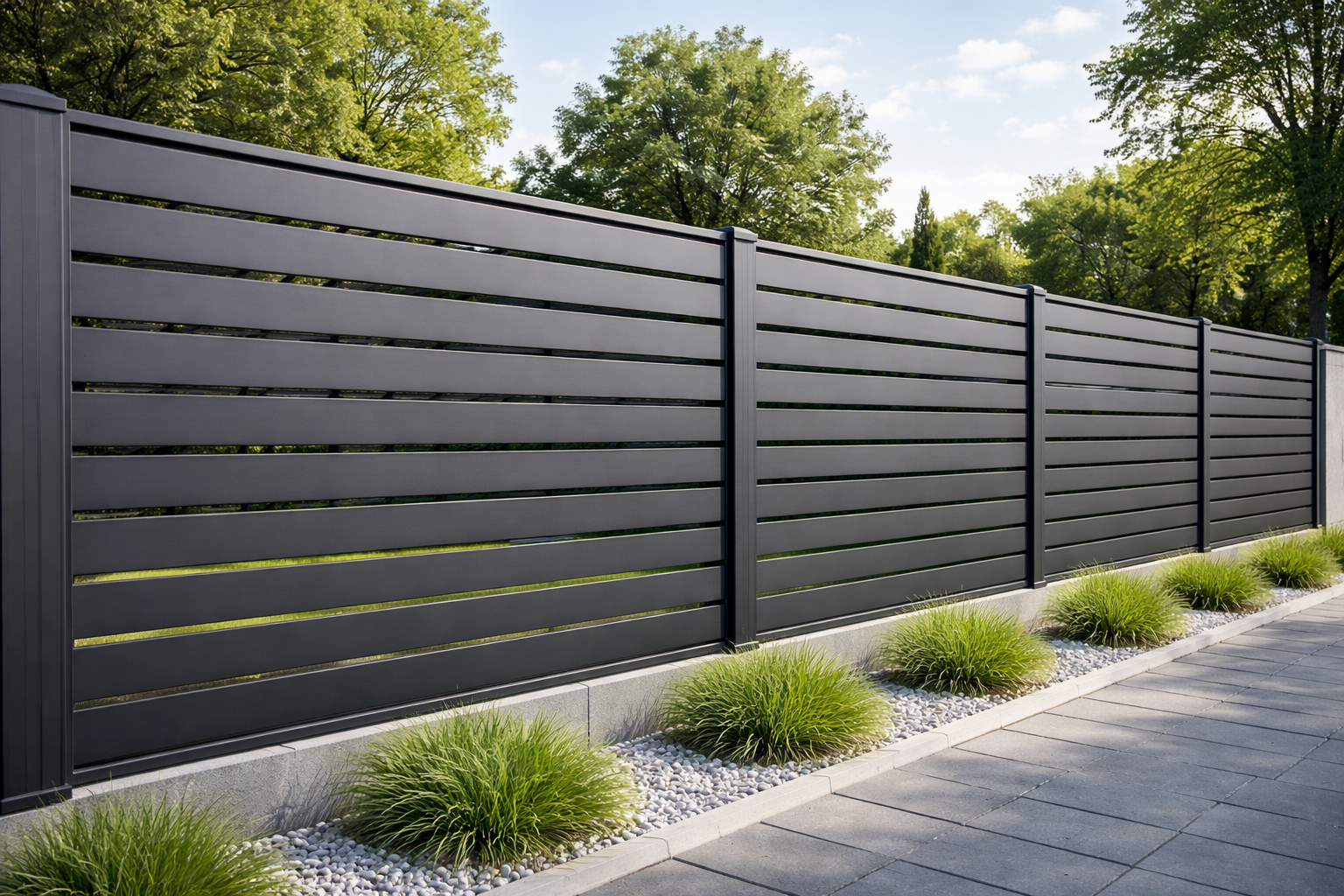
Aluminum fences, often referred to as "Alu fences," represent an
exceptionally high-quality and elegant solution for both securing
and aesthetically enhancing your space. Our collection includes a
wide variety of styles, designs, and heights, with dimensions
tailored to your specific needs. Manufactured from premium aluminum
profiles and panels, these fences are extremely resilient against
harsh weather conditions—giving them a distinct durability advantage
over glass or wooden alternatives. Aluminum panel fences are a
perfect long-term investment; they save you time and money because
they require minimal maintenance. Whether you are looking for a
modern or a classic patio fence design, you will find an extensive
selection of models to suit your architectural style and functional
requirements.
Regardless of the application—whether for a yard or a balcony—our
aluminum fences and gates are distinguished by their exceptional
durability, weather resistance, and ease of maintenance. Thanks to
its inherent resistance to corrosion, an aluminum fence is a
long-term, high-performance solution for various spaces, requiring
minimal upkeep even in challenging environmental conditions.
In addition, our aluminum garden fences are fully customizable and
can be easily integrated into any space. Regardless of whether you
use them for securing a patio, terrace, staircase, or any other
area, the fences will simultaneously enhance the aesthetics of your
property and provide security for your family and guests.
Aluminum is the most maintenance-free fencing material currently
available on the market. Unlike steel or wrought iron, aluminum is
not susceptible to rust, so you will never have to worry about water
damage or corrosion from environmental influences. Furthermore,
unlike wood, aluminum does not require repainting or staining every
few years; consequently, the maintenance costs of an aluminum fence
decrease dramatically over its lifetime.