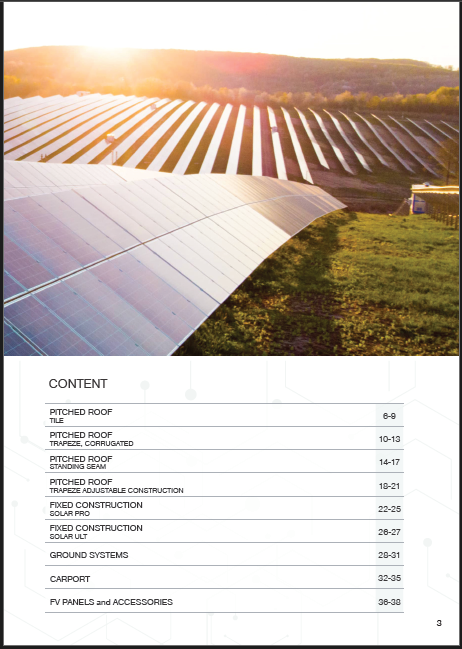


SOLAR ENERGTY
When people think about alternative or renewable energy, the first
image they keep in mind is often large blue or black solar panels on
roofs, or portable highway signs equipped with small panels. These
solar panels, also known as photovoltaic (PV) modules, convert
sunlight into electricity and have been the basis of renewable
energy for decades.
PV is traditionally used in areas where there is no practical source
of electricity but where there is abundant sunlight. Solar panels
are often used for off-grid applications, such as powering cabins,
RVs, boats, and small electronic devices in locations where grid
service is unavailable. Recently, "grid-interactive" solar
electrical systems have become more common as a cost-effective way
to integrate solar power into our daily lives. We can now utilize
available solar energy while still relying on a secure electrical
grid..
A photovoltaic (PV) module, or solar electric panel, is the smallest
replaceable unit in a PV string. The module is an integrated unit
that provides support for numerous PV cells that are electrically
linked and protected from the elements. The electrical output of the
module depends on the size and number of cells, their electrical
connectivity, and the environmental conditions to which the module
is exposed. Solar panels come in many forms and sizes and can be
made from various materials. However, the most commonly used module
is a "glass plate sandwich" containing 36 PV cells connected in
series to produce enough voltage to charge a 12V battery. The
purpose of this structure is to provide a rigid package that
protects intercellular connections from the environment. Positive
(+) and negative (-) connectors are located on the back of the
junction box. Modules can feature an individual metal frame or be
protected with a rubber seal, designed for integration into a larger
mounting system that holds multiple modules together.
The MPPT (Maximum Power Point Tracking) type of solar charge
controller is specifically designed to ensure that your solar panel
operates at its maximum power point. Using this type of solar charge
controller can increase charging efficiency by as much as 30%.
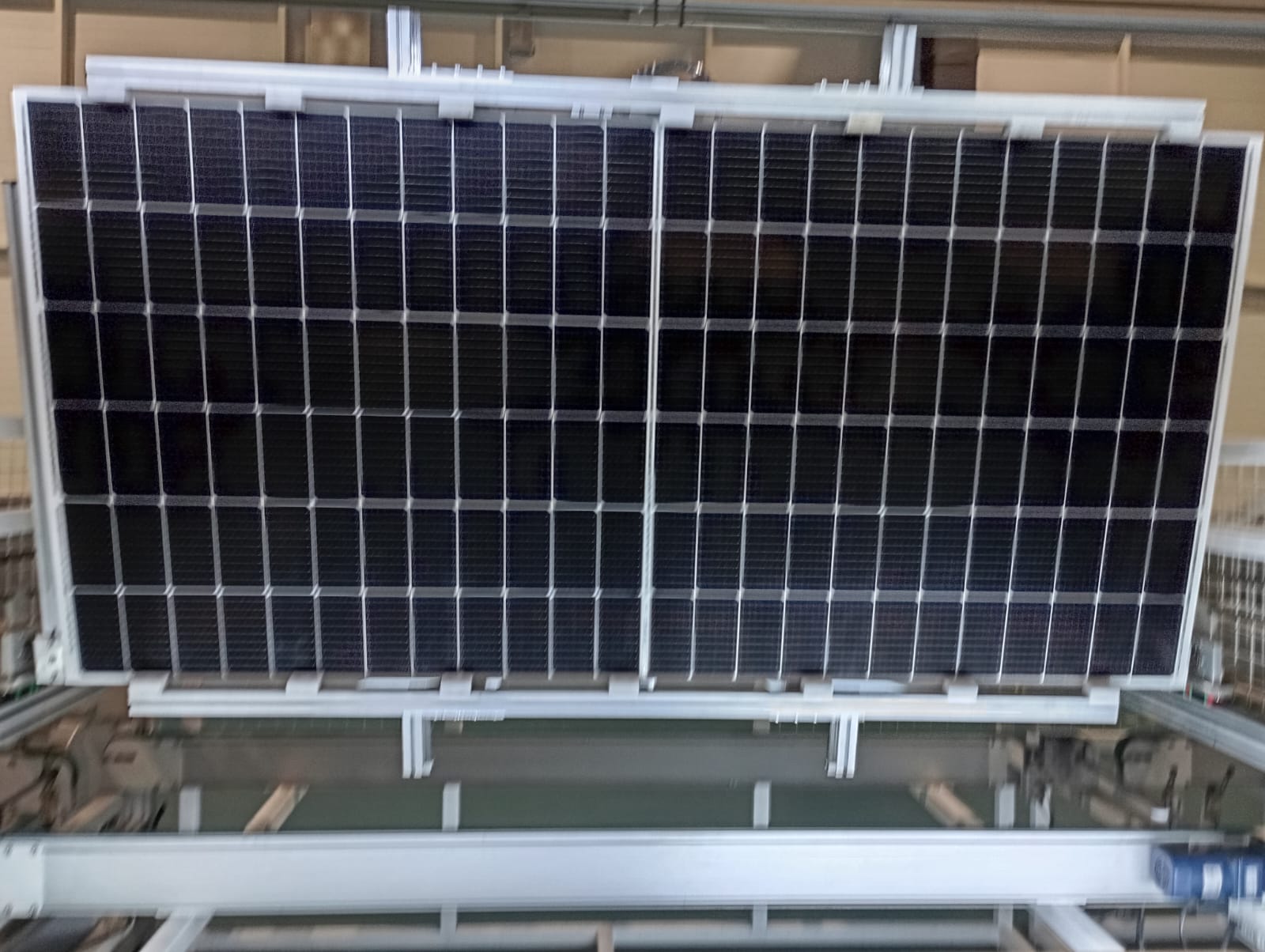
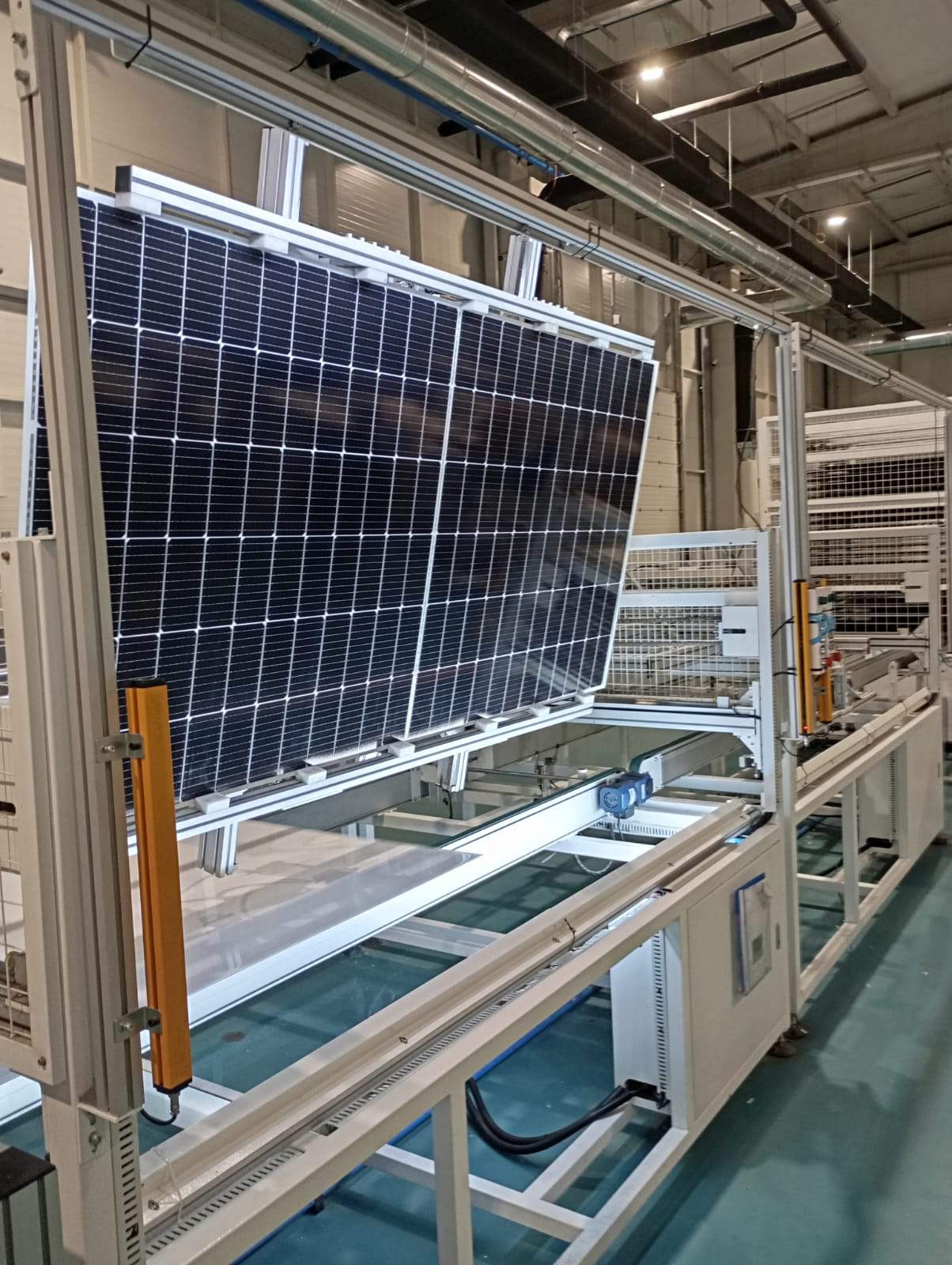
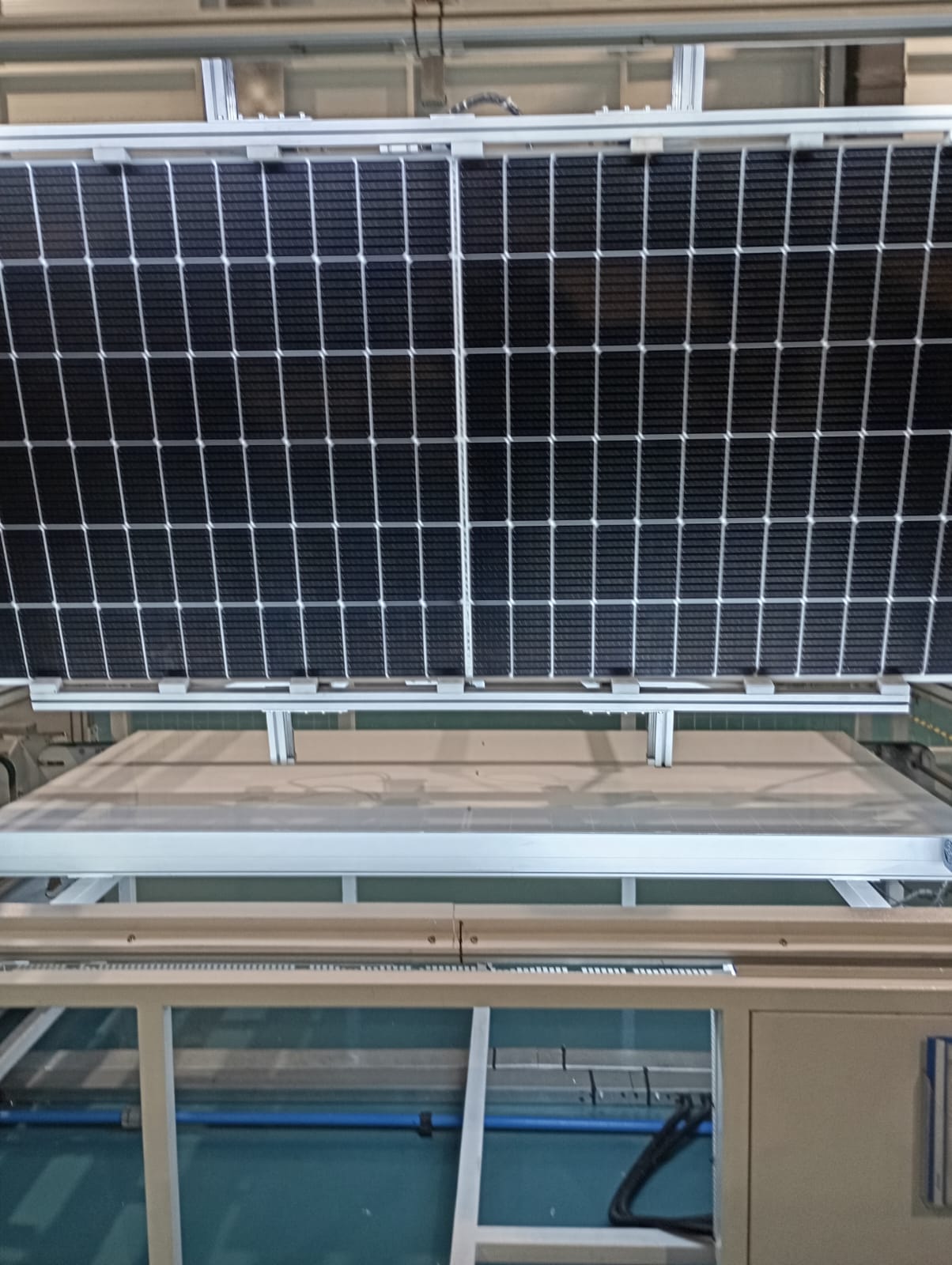
PV modules are highly sensitive to shading. Unlike solar thermal
panels, which can tolerate partial shade, many brands of PV modules
cannot even tolerate the shadow of a leafless branch. Obstacles that
create shadows can be defined as soft or hard sources. If a tree
branch, roof vent, chimney, or other element creates a shadow from a
distance, the shadow is diffuse or scattered. These soft sources
significantly reduce the amount of light reaching the cells within
the module. Hard sources are defined as those that completely block
light from the cell, such as leaves, bird droppings, or debris
sitting directly on the glass. If even a single cell is covered by a
hard shadow, the voltage of that module will drop to half its value
as the bypass diodes activate to protect the system.
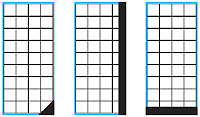
Partial shading on cells can reduce the power output of a solar
electric panel by 50%. When an entire cell is shaded, it can act as
a consumer of the energy produced by the rest of the cells; in this
case, the module activates its internal protection. The module will
redirect power around the affected series string. If even one cell
in a series is shaded (as seen on the right), it will likely cause
the module to reduce its power output to half of its full potential
value. Furthermore, if a row of cells along the bottom of the module
is completely shaded (as seen in the image above), the output power
can drop to zero. The best way to maintain peak output is to avoid
all shading whenever possible.
Solar panels should have durable connectors on the module. These
connectors must be firm and the wiring method simple, while still
providing a secure electrical connection. Most modules have sealed
junction boxes to protect these links. Field testing shows that PV
cells and the interconnections within the module rarely fail. Most
problems occur in the module's junction box, where the inter-module
connections are made. These can often be repaired on-site without
replacing the entire module. Before purchasing a solar panel,
inspect the junction box to ensure it is easy to access. Are the
terminals robust, and is there space to connect a bypass diode? Is
the junction box of high quality?
It is also critical to ensure that modules are mounted correctly and
that all connectors and wires are well-protected from the weather
and potential physical damage. Improper installation can lead to
performance degradation and serious safety issues, including fire
risks. Always adhere to the manufacturer’s instructions, as well as
local building and electrical regulations, during the installation
of solar panels.